Symposium Speakers 2026
Meet the speakers....
Neurodiversity, Sensory Differences & Dental Sedation: Practical Adjustments That Work
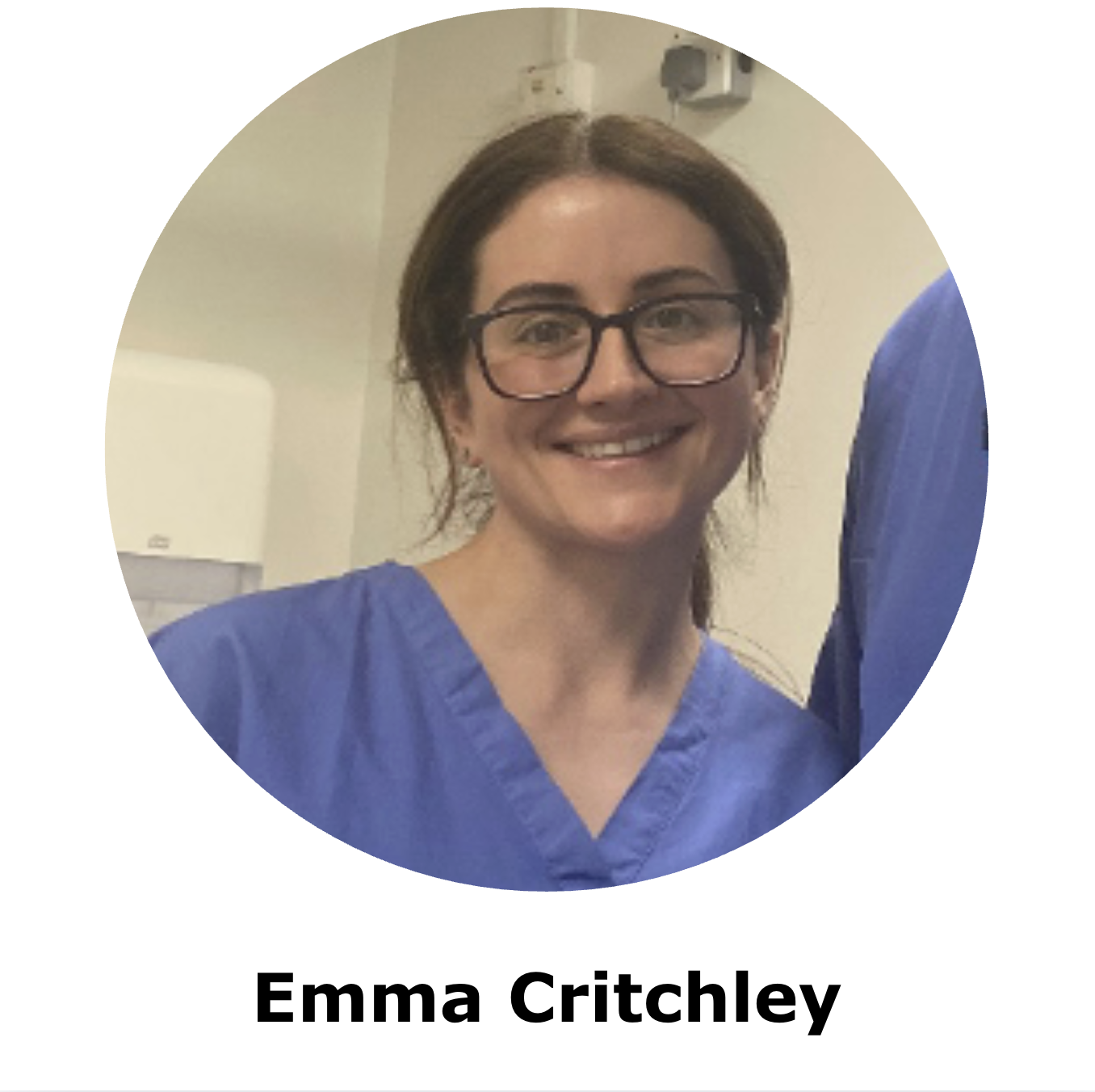
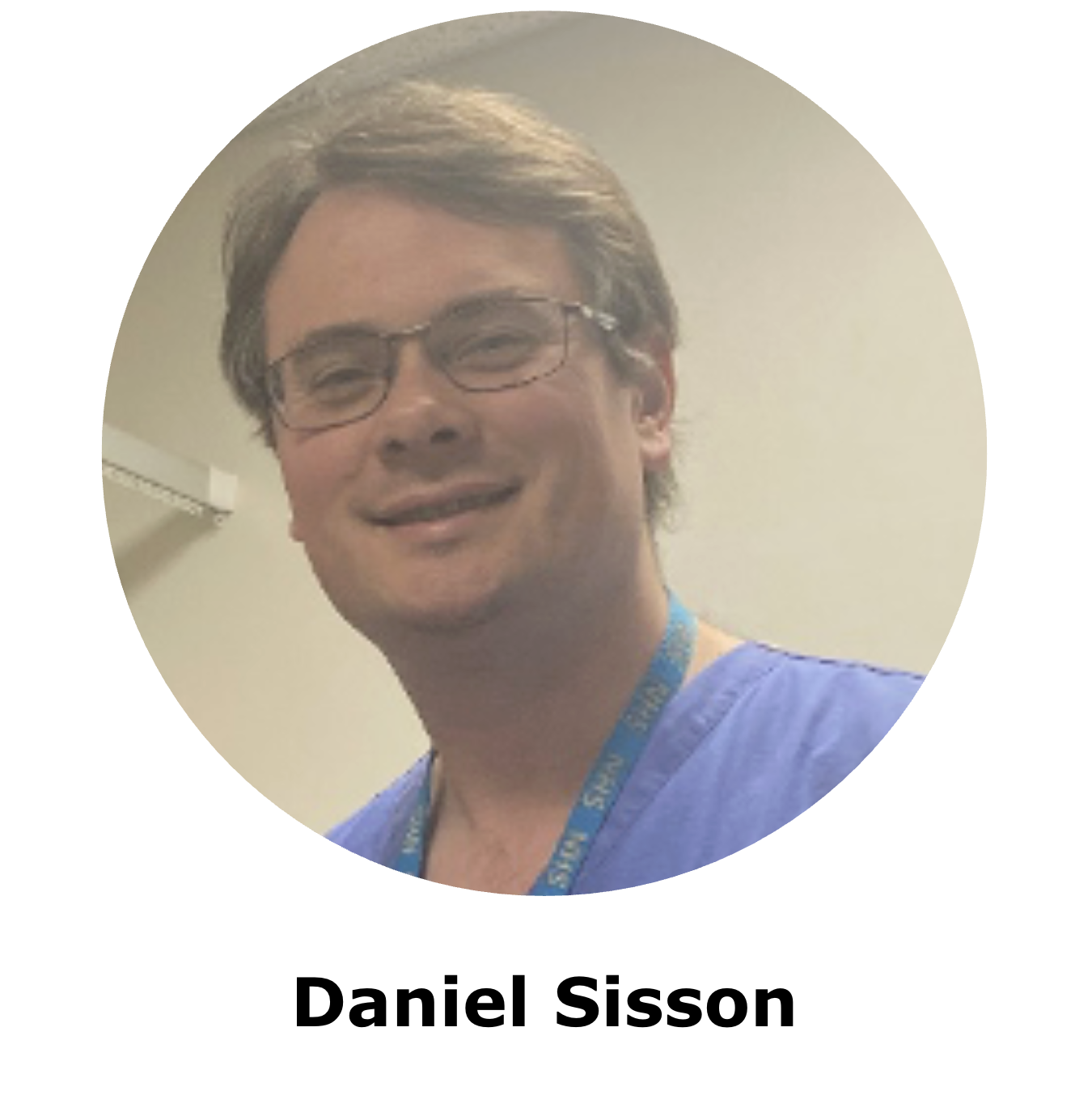
MEET EMMA AND DANIEL
Emma and Dan work closely together at Lancashire Teaching Hospitals, where they have been instrumental in developing transition of care services for patients moving from paediatric to adult dental services. Lancashire Teaching Hospitals provides a comprehensive range of paediatric and special care dentistry services, with a particular focus on the delivery of conscious sedation and treatment under general anaesthesia. Together, they are committed to improving access to high-quality, patient-centred care for those with complex needs across all stages of their treatment journey.
ABSTRACT
Providing dental care for neurodivergent patients can present unique challenges, particularly where sensory sensitivities, communication differences, anxiety, and previous healthcare experiences influence engagement with treatment. While sedation can play an important role in facilitating care, its success often depends as much on the patient's environment and the clinical approach as it does on the pharmacological technique itself.
This presentation will explore the diverse needs and characteristics that clinicians may encounter when caring for neurodivergent patients and consider how these can influence the planning and delivery of dental sedation. Through practical examples and evidence-informed strategies, delegates will gain an understanding of simple adjustments that can be made before and during treatment to improve patient comfort, cooperation, and safety. Topics will include environmental modifications, communication techniques, behavioural approaches, and adaptations to the patient journey that support a more person-centred approach to care.
Learning Outcomes:
1. Recognise the diverse needs and characteristics that may be encountered when treating neurodivergent patients and describe how these can influence the planning and delivery of dental sedation.
2. Identify practical environmental, behavioural, and clinical adjustments that can be implemented before and during sedation to improve patient comfort, cooperation, and safety.
Anatomy of a Defensible Record:
Sedation documentation that that protects patients, clinicians and practices
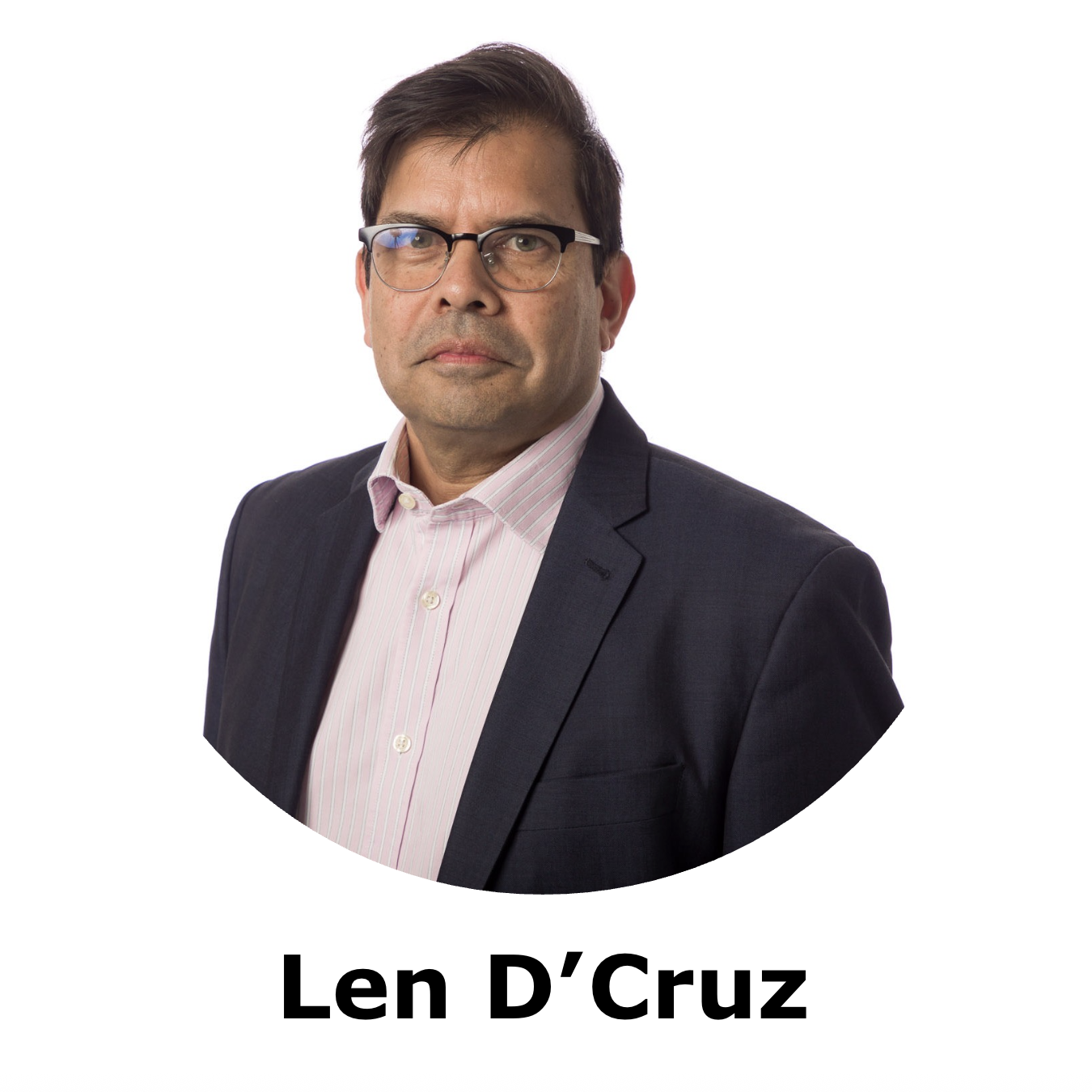
MEET LEN D'CRUZ
Len D’Cruz qualified from the Royal London Hospital in 1989 and did his vocational training at Whipps Cross.
After an associateship in Hertfordshire he bought into his practice in Woodford Green as an expense sharing partner a year later and eventually took over the practice with his wife Anne who is also a dentist. He has done clinical assistantships in Restorative Dentistry and orthodontics.
Len has been a Foundation trainer/Education supervisor for the London Deanery for a number of years and the practice is a Gold BDA Good Practice Scheme member.
It is now a seven surgery practice and the practice is also part of the NHS new contract pilots /prototypes since September 2011
Len was an Examiner for the Faculty of General Dental Practitioners for the MJDF exam and for the Overseas Registration Exam (ORE). He completed a Masters in Law at Cardiff in 2003 and the Certificate in Practice Appraisal from the FGDP in 2004.He completed a Postgraduate Certificate in Medical education from the University of Westminster in 2009 and has completed his FGDP Mentoring Certificate in 2012.He was a Director of the BDA (PEC member) from 2015- 2019). He has recently completed the Certificate in insurance from the Chartered Insurance Institute (CertCii)
He currently splits his time between clinical general dental practice, and working with the BDA as Head of BDA Indemnity ,having worked at Dental Protection Ltd for 21 years. He is a Visiting Lecturer at the University of Bedfordshire for the MA in Dental Law and Ethics. He is module lecturer on the Advanced Minimally Invasive Dentistry MSc at Kings College.
He has published “Legal aspects of General Dental Practice” (Elsevier/Churchill Livingstone) and co-authored “Understanding NHS Dentistry” with Raj Rattan and Michael Watson. He writes and lectures regularly on dento-legal issues and has published chapters on medical legal aspects in widely read texts ( The Principles of Endodontics OUP , Odell’s Clinical Problem solving in Dentistry 4th Edition Elsevier 2020)
His hobbies include photography, reading fiction and non fiction and trying to keep fit . He has been awarded a Licentiateship from the Royal Photographic society (LRPS) and has completed a Diploma in Photography in 2025.
ABSTRACT
To demonstrate what high-quality, defensible sedation documentation looks like in primary care, and why clear records matter most on the worst day, not the best one.
Learning objectives
• Understand how sedation records are scrutinised in complaints, claims, and inspections
• Identify the essential components of a defensible sedation record
• Record assessment, consent, monitoring, and discharge clearly and contemporaneously
• Recognise common documentation weaknesses and improve them in practice
When Memory Fades but Dentistry Remains: Sedation and the Aging Patient
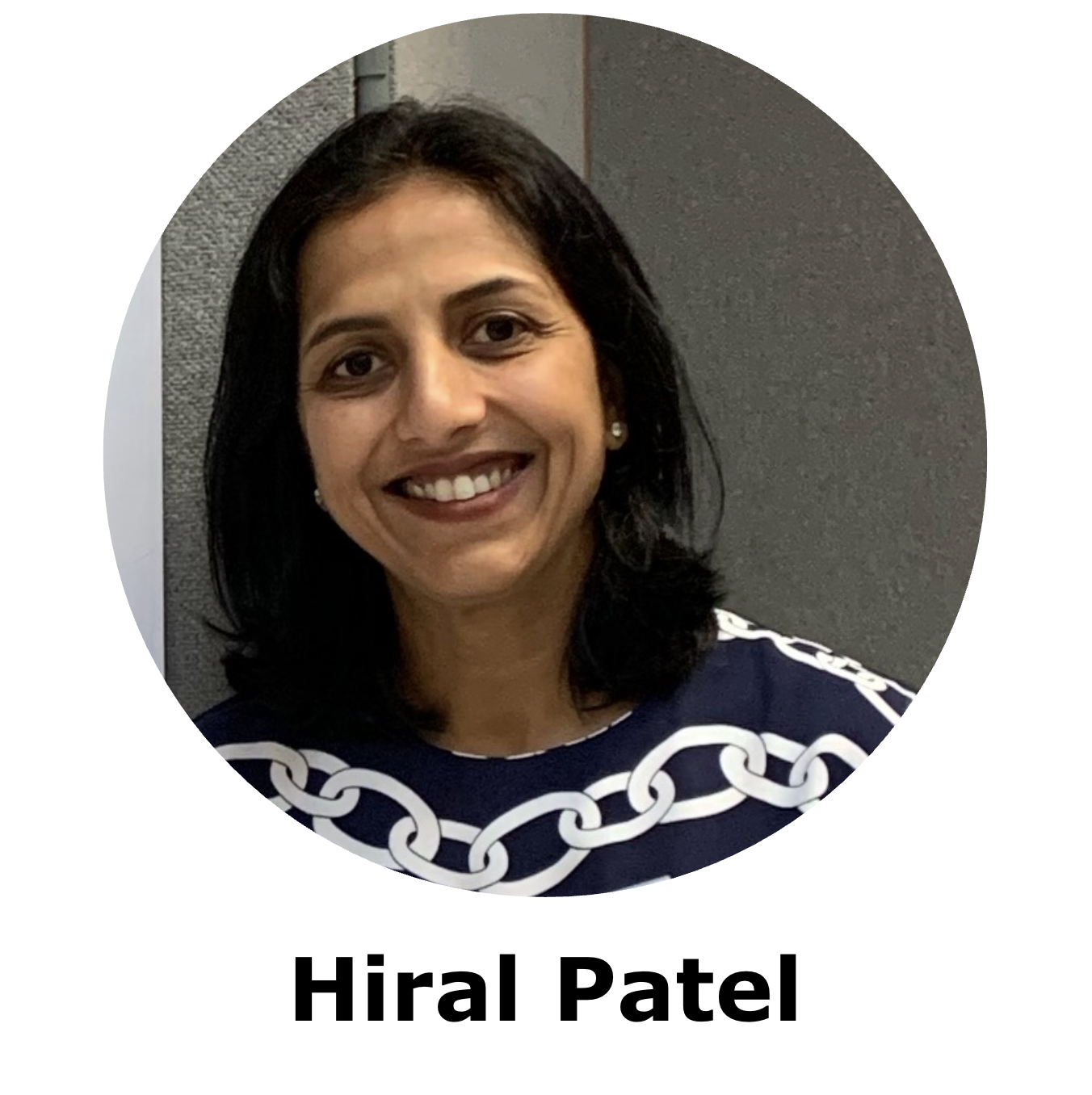
MEET HIRAL PATEL
Hiral Patel graduated in Dentistry from India in 2006. She moved to the UK, where she completed Vocational Training on the Isle of Mann before working in the Community Dental Service in Fife, Scotland. During this time, she completed a Diploma in Conscious Sedation with Newcastle University.
Hiral later relocated with her family to Devon, where she joined the local Community Dental Service and demonstrated a strong commitment to the provision of conscious sedation across the region. As sedation-lead dentist for the service, she regularly trains dentists and dental care professionals in conscious sedation techniques. Under her leadership, the service expanded to include dentist-led IV sedation and transmucosal sedation, including oral and intranasal routes.
Hiral is now a specialty trainee in Special Care Dentistry, where she continues to build her knowledge and experience in providing dental care to patients who are otherwise unable to access treatment in general dental practice.
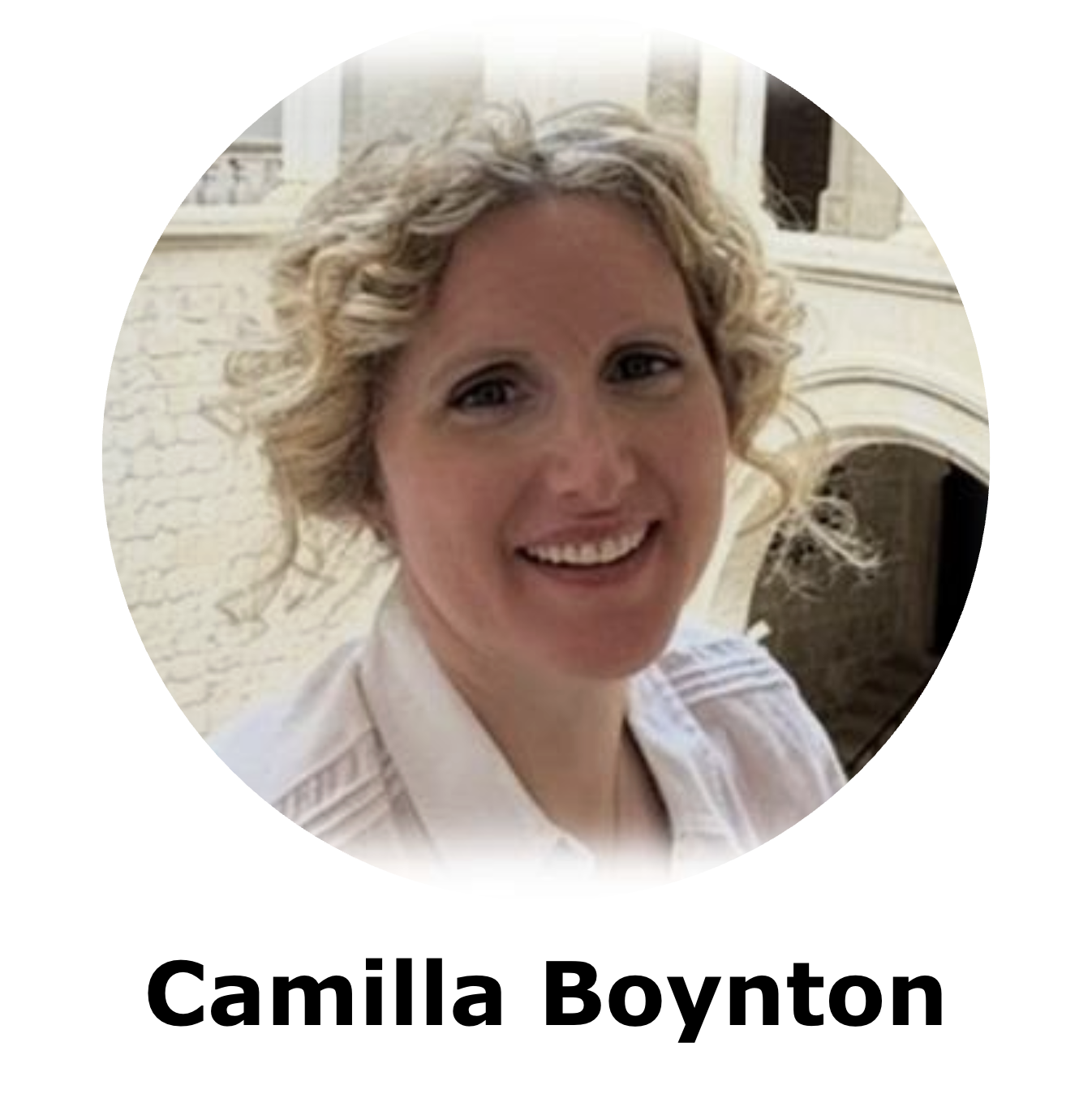
MEET CAMILLA BOYNTON
Camilla Boynton graduated in Dentistry from King’s College London in 2009, following an earlier career in publishing. After completing vocational training and a Senior House Officer post in Oral and Maxillofacial Surgery, she joined Community Dental Services in Dorset, where she developed a strong commitment to improving access to care for patients with complex needs.
She completed Specialist Training in Special Care Dentistry in 2016, alongside an MSc in Special Care Dentistry, while working across East and West Dorset. Camilla is now a Consultant in Special Care Dentistry and Medical/Governance Lead for the Royal Devon Community Dental Service, leading the delivery of specialist dental care under local anaesthesia, conscious sedation and general anaesthesia across East and North Devon.
A passionate advocate for education and workforce development, Camilla serves as Training Programme Director for Special Care Dentistry in the South, Educational Supervisor for Junior Dental Foundation/Core Trainees, Core MFDS Diploma Examiner, and postgraduate sedation trainer for the University of Portsmouth.
Nationally, she has contributed to advancing care for older adults through her long-standing involvement with the British Society of Gerodontology and is honoured to serve as its President in 2026.
ABSTRACT
Learning Objectives:
By the end of this session, participants will be able to:
- Apply practical approaches to capacity, consent and best interests decision-making in dental practice
- Adapt dental care for patients with cognitive impairment or dementia using reasonable adjustments, effective communication techniques and person-centred strategies that improve the patient experience.
- Analyse case studies to support safe decision-making around treatment planning, sedation and referral pathways.
How to Integrate Sedation into Daily Implant Work, Teamwork & Tranquility
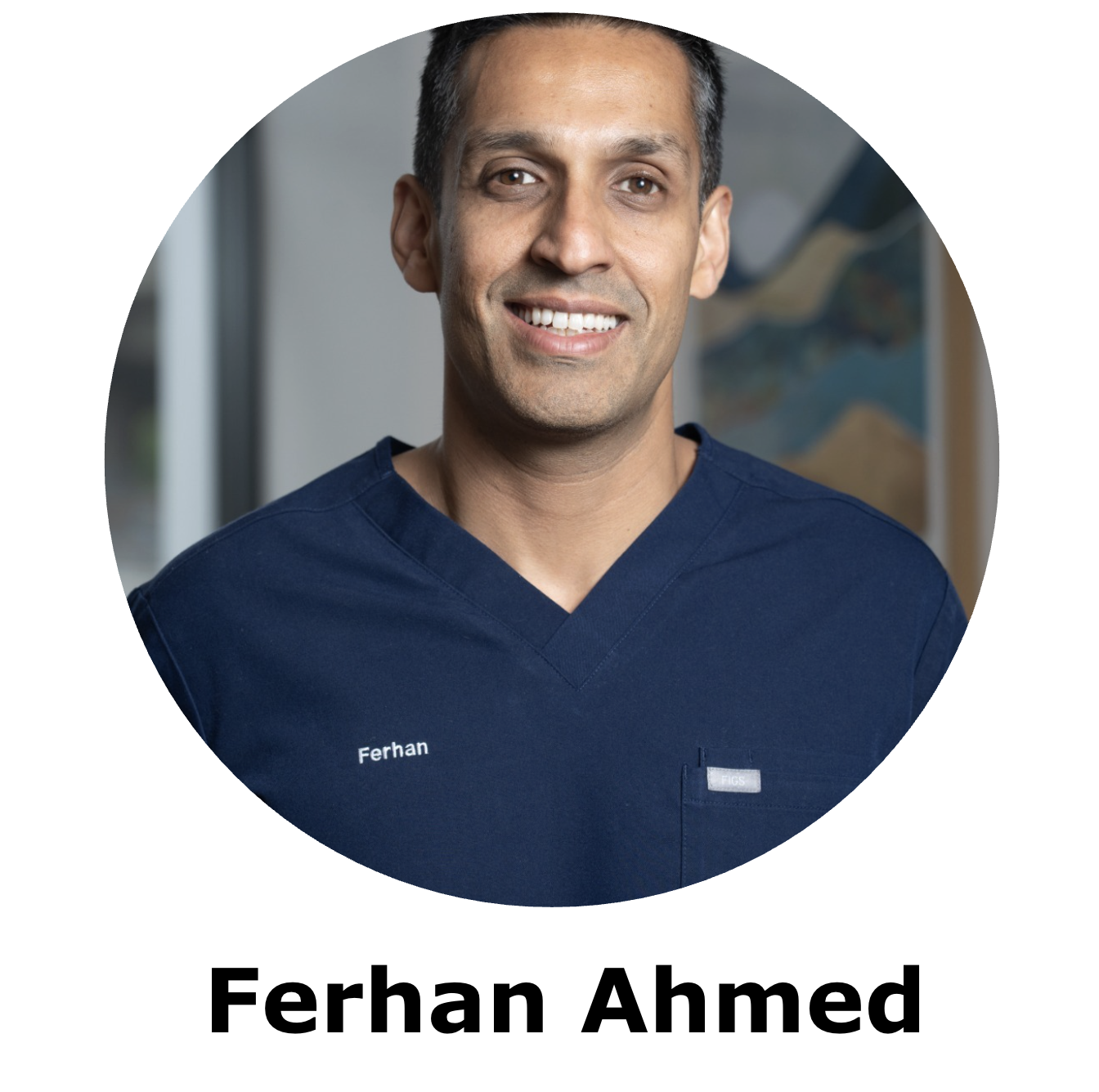
MEET FERHAN AHMED
Dr Ferhan Ahmed is a highly skilled implant surgeon, implant mentor , educator, and owner of Edinburgh Dental and Fame Dentistry in Glasgow - leading implant clinics in Scotlands.Dual qualified in dentistry (BDS, University of Glasgow, 2005) and medicine (MBChB, University of Liverpool, 2012), he focuses exclusively on dental implants and surgical dentistry.
His expertise includes conventional implantology, complex bone grafting, and advanced extra-maxillary procedures such as zygomatic implants. Alongside providing exceptional patient care, Dr Ahmed is passionate about education, delivering lectures internationally and mentoring dentists through his hands-on training programmes overseas.
Widely recognised for treating complex full mouth implant rehabilitation cases and supporting clinicians across the UK, Dr Ahmed is committed to advancing standards in implant dentistry.
In 2021, he published Being unstoppable - The mindset of a great clinician and in 2026 First Impressions Final Decisions sharing insights on leadership, discipline, and personal growth to help professionals achieve their full potential.
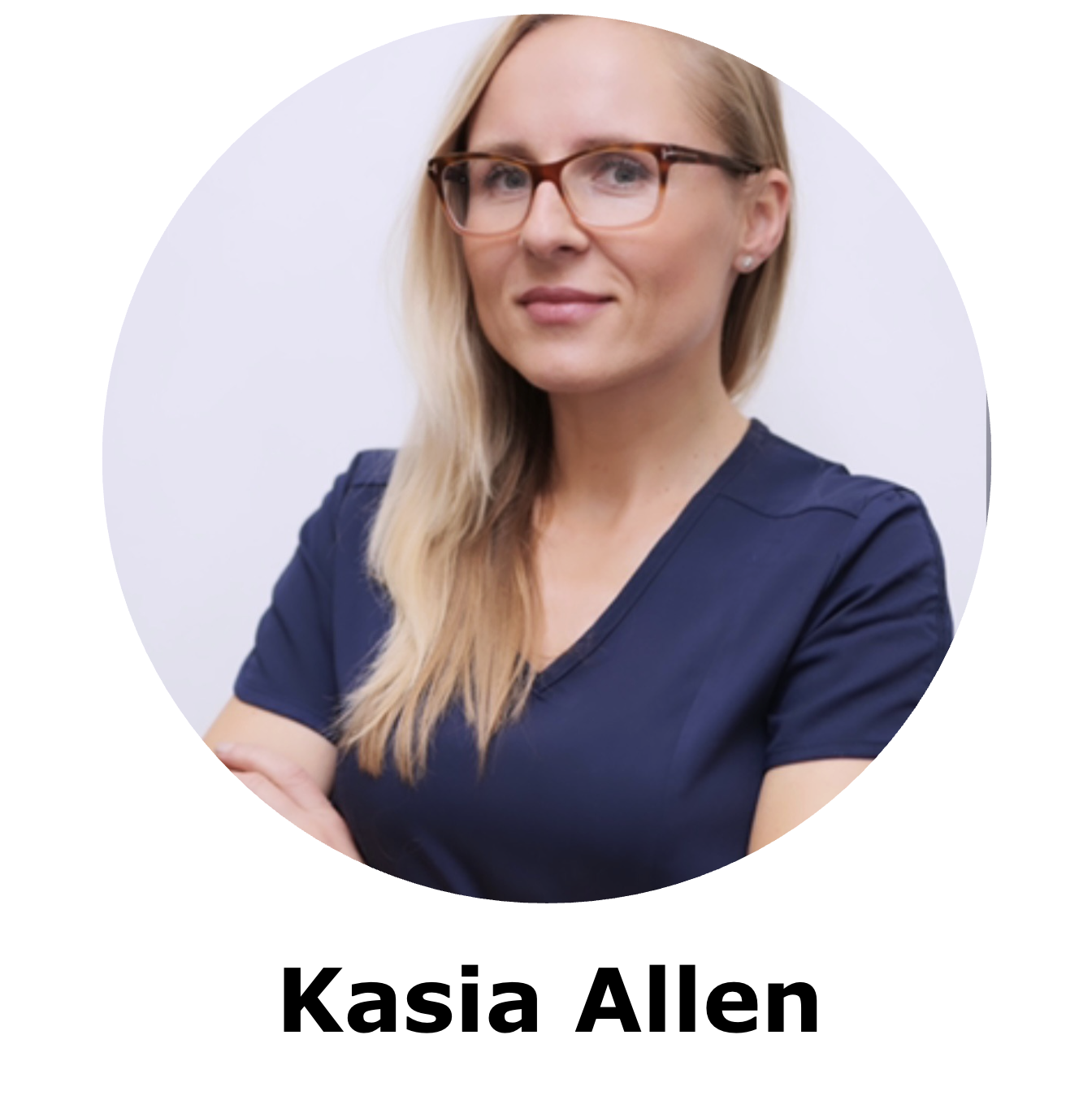
MEET KASIA ALLAN
With nearly 20 years of experience in implant dentistry, Kasia is a highly experienced dental implant nurse and ITCO, with over a decade of involvement in dental implant education.
Throughout her career, Kasia has worked extensively alongside leading implant clinicians and implant companies. She is a National Trainer for BioHorizons, Camlog and Neodent, delivering implant training across the UK and Ireland.
As Executive Assistant to Dr Ferhan Ahmed, Kasia supports his implant mentoring programmes through chair-side mentoring, organising live clinical teaching sessions, facilitating hands-on training course. She is also plays a key role in managing clinically complex full mouth implant rehabilitation cases.
Kasia is also involved in pre-surgical planning for all implant cases, including obtaining 3D imaging, taking impressions, clinical photography and sedation assessments. She is the main point of contact for all implant- and sedation-related matters.
Her extensive clinical experience, combined with her passion for education and implant dentistry, enables her to provide a high level of support to both Dr F Ahmed and patients, while contributing to the delivery of high-quality implant care.
ABSTRACT
This presentation shows why calm, predictable outcomes in primary care implant dentistry - especially with conscious sedation- are never accidental, but the result of a repeatable approach built on three pillars: preparation, teamwork, and communication with emotional intelligence.
Preparation covers individual training and clinical experience, systems and protocols that remove uncertainty, and mental rehearsal with a structured surgical brief. Teamwork looks at trust and respect, clearly defined roles, and empowering the team to perform at its best. Communication and emotional intelligence address verbal and non-verbal cues, active listening and mirroring, finding commonality with patients, and the role of empathy in building trust.
In 30 minutes, it will be demonstrated how these pillars combine to turn complex implant cases into streamlined, tranquil procedures—delivering clinical excellence and an exceptional experience for patients and team alike.
Learning Objectives:
By the end of this session, participants will be able to:
Identify the three core pillars - preparation, teamwork, and communication with emotional intelligence-required to embed IV sedation into a repeatable, predictable implant dentistry workflow.
Apply structured preparation strategies, including targeted clinical training, standardised systems and protocols, and mental rehearsal with surgical briefings, to reduce uncertainty before and during sedation cases.
Develop stronger team dynamics by establishing trust and respect, defining clear roles and responsibilities, and empowering team members to perform at their full potential.
Utilise verbal and non-verbal communication techniques-including active listening, mirroring, and empathy- to build rapport and trust with sedation patients.
Remimazolam: The Evidence Arrives - Unveiling the First Data
MEET BRYAN KERR
- Consultant in the Department of Sedation and Special Care Dentistry at Guy's
- Honorary Senior Clinical Lecturer at King's College London
- Chief Investigator of Remident, a clinical trial of remimazolam vs midazolam for oral surgery.
- Member of SAAD teaching Faculty
- Past DSTG chair
Qualifications:
BDS (Glasgow)
MSc Sedation and Special Care (KCL)
Current- MD(Res) in neuroscience (KCL)
Specialist interests:
- Sedation for people with complex medical needs
- Sedation for people with learning disabilities
- Providing dental care under general anaesthesia
ABSTRACT
Ready...Steady...Sedate:
The 12-Minute Pre-assessment, Cannulation Conundrums and Remimazolam Without the Hype
MEET LALEH SHARIFIAN
Laleh Sharifian is a dental sedationist who has dedicated the past several years to advancing conscious sedation in primary dental care. After qualifying from Guy's Hospital in 1999, she spent almost two decades as a private general dental practitioner in London, where she developed long-standing relationships with her patients.
Recognising the growing demand for conscious sedation, Laleh established a peripatetic IV sedation service, enabling patients to receive treatment with their own dentist in familiar surroundings. In 2019, she made the decision to leave general dental practice and devote her career entirely to providing intravenous conscious sedation in primary care.
Today, Laleh provides intravenous conscious sedation across approximately 80 dental practices throughout the South East of England and has extensive experience delivering safe, patient-centred care. Alongside her clinical work, she is passionate about education and mentoring. She is a Trustee and faculty member of the Society for the Advancement of Anaesthesia in Dentistry (SAAD), an examiner for the Royal College of Surgeons of Edinburgh Diploma in Conscious Sedation, and teaches sedation and Immediate Life Support courses for dental teams. She also supervises dentists and nurses training in conscious sedation, undertakes expert witness work, and lectures nationally, sharing practical, evidence-based approaches that delegates can confidently apply in everyday practice.
ABSTRACT
Safe sedation isn't just about choosing the right drug—it starts long before the cannula goes in. Drawing on experience from hundreds of sedation cases across a wide range of primary care practices, this session shares practical approaches that can immediately improve everyday sedation.
Beginning with a structured 12-minute pre-assessment, delegates will explore simple techniques for identifying risk, improving patient selection and streamlining clinical workflow. The session then tackles one of the greatest causes of stress for many clinicians—IV cannulation—through practical tips and solutions for common challenges.
Finally, the lecture looks at Remimazolam without the hype. Deconstructing this drug in order to really understands how it works and how it differs from Midazolam and thus be able to apply this in choosing our cases.
Learning objectives
- Apply a structured 12-minute pre-sedation assessment to improve patient selection, safety and efficiency in primary dental care.
- Recognise practical strategies for successful IV cannulation and managing common challenges encountered in everyday clinical practice.
- Evaluate where Remimazolam may have a role in contemporary dental sedation, based on current evidence and real-world clinical experience.
From Aristotle to AI: The Evolution of Practical Wisdom
MEET RAJ RATTAN
Raj Rattan is a general dental practitioner who owned and operated a small group practice for over 30 years, building a diverse portfolio career alongside his clinical work.
He became involved in postgraduate education initially as a Programme Director and later as Strategic Associate Dean for Foundation Training in London. He has provided consultancy services to both public and private sector organisations, including the NHS, Denplan, dental corporates, and the Department of Health, where he previously served as a Policy Adviser.
Raj is the author and co-author of several textbooks and numerous articles, and he has lectured extensively across the UK and internationally.
He worked as a part-time dento-legal consultant at Dental Protection for more than 20 years before taking up the role of Dental Director in 2016. He has recently been appointed Global Adviser to the Medical Protection Society, where he created and developed the Safter Practice Framework for the adoption and integration of artificial intelligence into clinical practice.
Outside dentistry, his interests include writing fiction, philosophy, motor sport, and magic. He is a member of The Magic Circle and was awarded the Hoffman Prize in 2011 for his work on exposure.
ABSTRACT
Learning outcomes : to understand the history of AI, to consider its application in clinical practice, and to understand the principle of safe adoption.
SAAD Oral Presentation Prize Presentations