

Please click on the tables and figures to enlarge
Remimazolam in older patients: a game-changer in procedural sedation?
J Patel*1 BDS (Hons), MFDS
1Specialty Trainee in Special Care Dentistry (ST2) with Barts Health Trust
*Correspondence to: Jeena Patel
Email: jeena.patel2@nhs.net
DOI: 10.63507/GYXY4485
Abstract
This essay examines the use of remimazolam in a dental hospital setting for patients over 65 over the past two years. Remimazolam has emerged as a game-changer in sedation, particularly for older patients who face various challenges such as dementia, multiple co-morbidities, kidney disease or a high BMI. These patients may also have physical disabilities, requiring the use of wheelchairs or special accommodations such as stretchers to access treatment. Traditional sedatives often present risks in such individuals, however, remimazolam has shown to offer a safer alternative with its rapid onset, short duration of action and minimal impact on cardiovascular and respiratory systems.1 This makes it especially valuable for older adults, enabling them to undergo necessary procedures, such as dental care, that they might otherwise avoid due to sedative risks or physical constraints. Remimazolam has proven to be effective in helping these patients receive conscious sedation for medical interventions.2 It has also now been useful for dental treatments and improving accessibility to care that was previously challenging. Its ability to provide safe and effective sedation to a vulnerable population marks a significant advancement in geriatric anesthesia and sedation management, ensuring that older patients with complex medical conditions can receive essential dental and medical care with reduced risk and improved outcomes.
Background
The focus of this project is on patients aged 65 and over due to the rapidly growing aging population. Barrow and Ashley3 highlight in their article that as the number of older individuals increases, so do the challenges faced by the dental profession in providing appropriate care. This demographic is more likely to experience physical and medical health conditions that complicate treatment, such as mobility limitations, multiple comorbidities and cognitive impairments like dementia. These factors can make routine dental procedures more complex and necessitate specialised approaches to sedation and patient management where treatment cannot be accepted with behaviour management and local anaesthesia alone.
Remimazolam has been widely discussed for its safe and effective use in older individuals,2 offering a viable sedation option for those who might otherwise struggle to receive dental care. Jin and Xue2 expand on the predictable pharmacokinetics, reduced impact on cardiovascular and respiratory function and rapid recovery time which make it particularly well-suited for elderly patients with medical complexities. By focusing on this population, this project aims to evaluate how remimazolam can improve access to dental treatment for older adults and address the unique challenges they face in receiving care.
- Organ-independent metabolism enables safer sedation in older adults
Remimazolam is metabolised by tissue esterases rather than the liver or kidneys, allowing predictable clearance and reducing risk in patients with renal or hepatic impairment
- Rapid onset and recovery improve efficiency and patient experience
Its quick induction and short elimination half-life allow faster discharge, minimal post-operative monitoring, and the ability to treat more medically complex patients
- Effective and reversible sedation with a favourable safety profile
Remimazolam provides reliable conscious sedation with minimal cardiorespiratory depression and can be reversed with flumazenil, compared with traditional benzodiazepines.
Introduction - what is remimazolam?
Remimazolam was introduced to the Barts Health dental team around 2018, when it was initially being explored as a potential sedative option in the medical field. By 2022, it began to gain significant momentum within the field of dentistry. This novel sedative, often referred to as a ‘soft drug’,4 had already shown success in medical procedures like bronchoscopies and colonoscopies, demonstrating its potential for facilitating safe and effective sedation.5 Goudra and Singh6 describe remimazolam as an innovative drug that combines the properties of two established medications - midazolam and remifentanil - creating a unique anesthetic option. One of its standout features is its organ-independent metabolism, as it is broken down by tissue esterases in the blood, avoiding reliance on the kidney or liver.7 Furthermore, as noted by the European Medicines Agency4 this property contributes to its rapid onset and fast recovery times. Peak sedation is typically achieved within three minutes after the initial bolus, with patients in most cases becoming fully alert 12 to 14 minutes after the last dose.4 Additionally, studies have suggested that remimazolam requires no dose adjustments, even in patients with renal impairment, making it a versatile and promising option for sedation in diverse clinical settings.8 It is supplied in a powder format, which must be reconstituted using saline before administration. Each vial contains 20 mg of the drug, and the dosage is then titrated according to the guidelines provided by the manufacturer.4 At Barts, we have reviewed the manufacturer’s guidance and the IASCD Remimazolam Statement9 and developed our own local standard operating procedure based on their recommendations.
Pharmacokinetics
Remimazolam is a very short-acting benzodiazepine that induces sedation through GABA receptor activation similar to midazolam, but it is cleared from the body more quickly, giving it a shorter elimination half-life.15 In addition, remimazolam is a methyl ester compound that is rapidly hydrolysed by carboxylesterase-1A to an inactive metabolite (CNS7054). Its metabolism by-passes the cytochrome P450 enzyme system, setting it apart from most other benzodiazepines.16 It exhibits a high, organ-independent clearance because it is metabolised by widely distributed tissue esterases in the blood rather than by any single organ.17 It does not rely on the liver or kidney for metabolism and elimination for the aforesaid reasons.
Method
To collect data on the use of remimazolam for older patients as part of a service evaluation, an existing excel spreadsheet was utilised to track all cases where the drug was administered over the past two years (April 2023 to March 2025) across all patient cohorts in the Dental Hospital. The IASCD Standards for Conscious Sedation in the Provision of Dental Care10 advise maintaining a log to document clinical activity related to conscious sedation. The data were filtered to include patients aged 65 and above, as this is the age typically recognised by NHS England11 to classify an individual as geriatric. Several key factors were examined, including the patients’ physical status, medical history, age, gender and the specific dosage of remimazolam administered. Additionally, the method of administration was explored, noting the bolus dose and the duration of sedation. Further details were gathered on the use of capnography and the use of supplemental oxygen during the procedure. This comprehensive approach allowed for a thorough analysis of the effectiveness and safety of remimazolam in older patients within the dental setting. Additionally, the initial justification for sedation was noted in the data capture too which would help the team analyse these justifications and provide insight into the specific needs of geriatric patients, as well as help assess the appropriateness and effectiveness of remimazolam in various clinical scenarios. Lastly, qualitative data was collected through verbal and written feedback from patients, their escorts, and the sedation staff to gather their perspectives and assess how the sedation was received..
Results
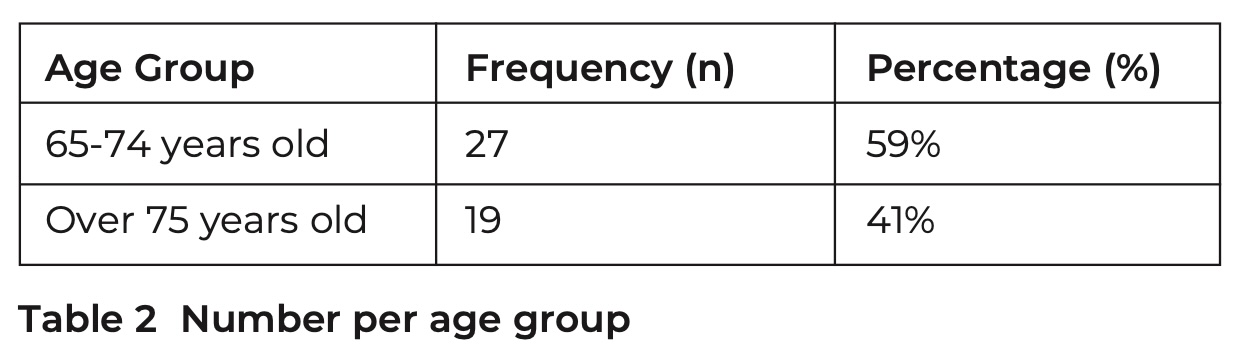
A total of 46 out of 200 cases (23%) involved patients aged 65 and over. The cohort varied in age, ranging from 65 to 91 years old.

Medical history
The most common medical conditions included chronic kidney disease. Following this, situated in a secondary care setting, the most common ASA grade treated using remimazolam in this cohort was an ASA 3 due to the 83% of patients who had multiple co-morbidities.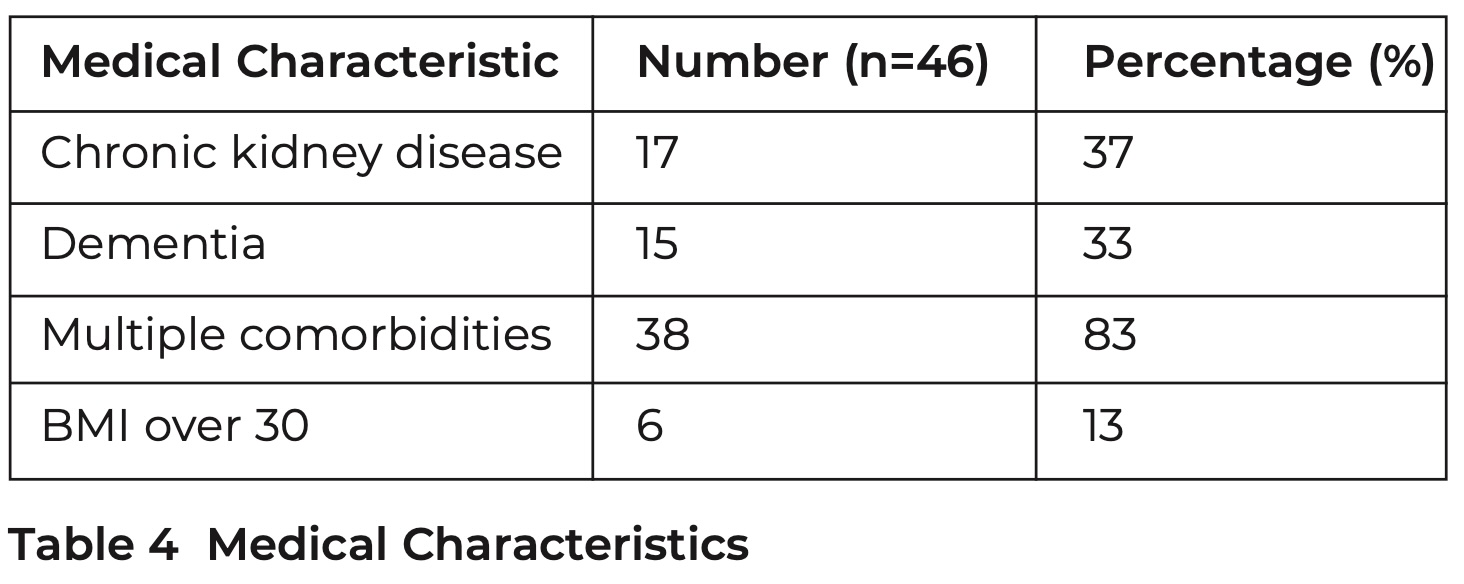

Remimazolam dose range
The administered doses ranged from a minimum of 2 mg to a maximum of 20 mg.
Reversal
No patients required reversal with flumazenil after receiving remimazolam. However, 5 out of 46 patients who previously had sedation with midazolam required reversal with flumazenil to aid recovery or due to desaturation during their treatment.
Duration of cases
A total of 30 out of 46 cases (65%) lasted less than one hour.
Quality of sedation
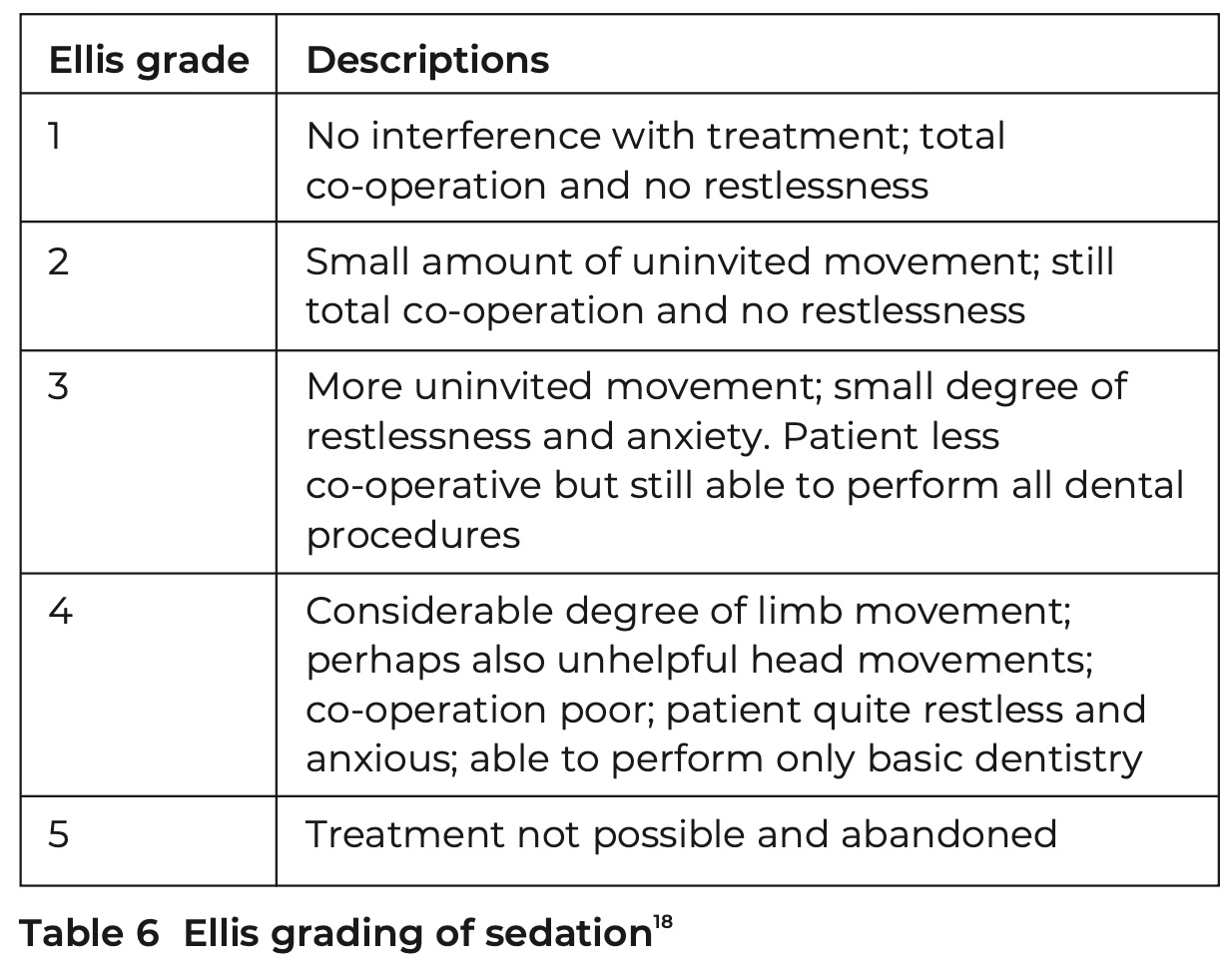
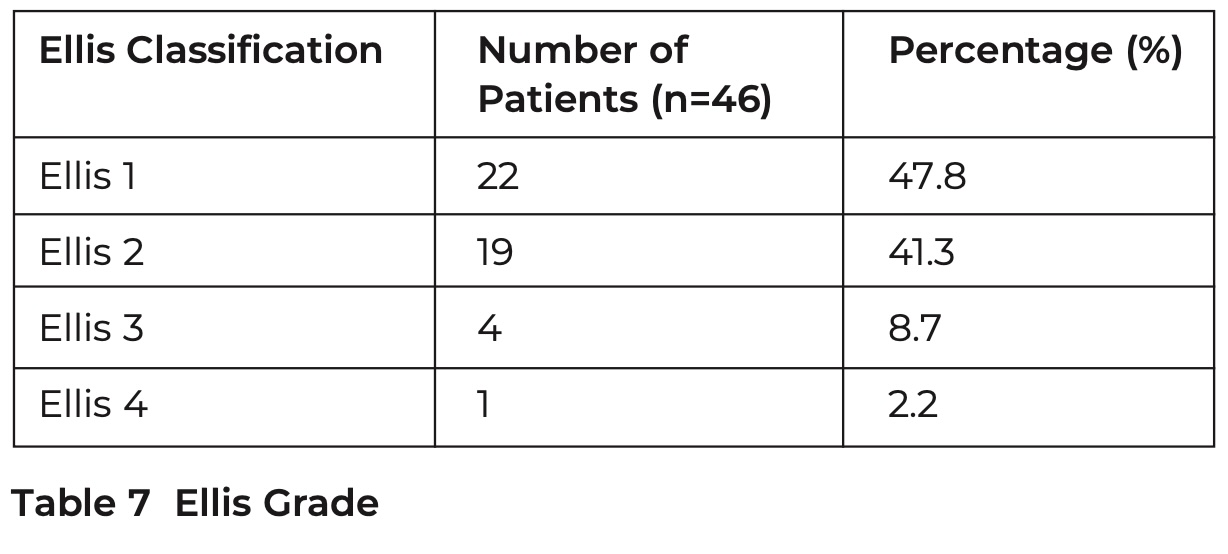
The sedation quality was generally optimal, with 41 out of 46 patients (89%) achieving an Ellis score of 2 or less.
Capnography monitoring
A total of 14 out of 46 patients (30%) had capnography monitoring during their sedation.
Supplemental oxygen requirement
A total of 18 out of 46 patients (39%) required supplemental oxygen during sedation.
Patient and escort feedback
Patient and escort feedback revealed that most patients had no memory of the procedure, with one person recalling everything. All patients felt they recovered quickly and resumed normal activities, without post-op issues. Most patients would recommend the treatment. The majority felt it was a positive experience, describing it as ’feeling like flying’. Escorts noted that only brief supervision (5 to 10 minutes) was needed post-procedure, rather than full-day care.
Staff feedback
Staff feedback highlighted that remimazolam is fast-acting with quick recovery, enabling treatment of more medically complex patients. However, frequent top-ups were challenging, especially when the operator also serves as the sedationist. Staff agreed that remimazolam is effective, but some still found midazolam superior in certain cases. These cases, upon reflection, could not be specifically categorised into clear groups, however, there was a pattern showing those patients who had previously been sedated with midazolam preferred sedation with midazolam, over sedation with remimazolam. Remimazolam sedation may be more technique-sensitive, and some clinicians even describe its use as an art. This could explain why some practitioners feel more comfortable with the greater predictability of midazolam and therefore view it as superior. However, with increased familiarity and experience, these perceptions may evolve. Due to the fast and predictable recovery time, staff believed treatment sessions could be scheduled more efficiently, allowing for the possibility of seeing more patients per session.
Discussion
The results of this project demonstrate several key advantages of using remimazolam in older patients. One of the most notable findings is that patients previously sedated with midazolam 5/46 (11%), who required reversal with flumazenil, did not need reversal when switched to remimazolam. This highlights the drug’s rapid onset and predictable recovery profile. Furthermore, of note is that remimazolam can also be reversed using flumazenil, the same agent used for midazolam reversal.13 This simplifies medication management in dental practices, as there is no need to stock an additional reversal agent, offering operational efficiency.
A key benefit of remimazolam is its suitability for patients with renal impairment. The data indicates that 37% of patients in the study had chronic kidney disease, a condition commonly seen in the elderly. Importantly, as mentioned by Stöhr and Colin et al., 8 no dose adjustments are necessary for patients with hepatic or renal impairment, and no unexpected adverse events were observed in patients with kidney issues. This makes remimazolam particularly beneficial for elderly patients, many of whom may suffer from liver or kidney conditions. The drug’s ability to be used without adjustments ensures a more streamlined and safer sedation process.
Yang et al.,14 emphasise that for patients with dementia, general anesthesia presents risks such as post-operative delirium, which can hinder recovery and prolong hospital stays. However, remimazolam has been associated with no increased incidence of post-operative delirium, making it a safer option for dementia patients.14 In this study, 15 out of 46 patients had dementia and they were able to receive dental treatment without the common complications associated with traditional sedatives.
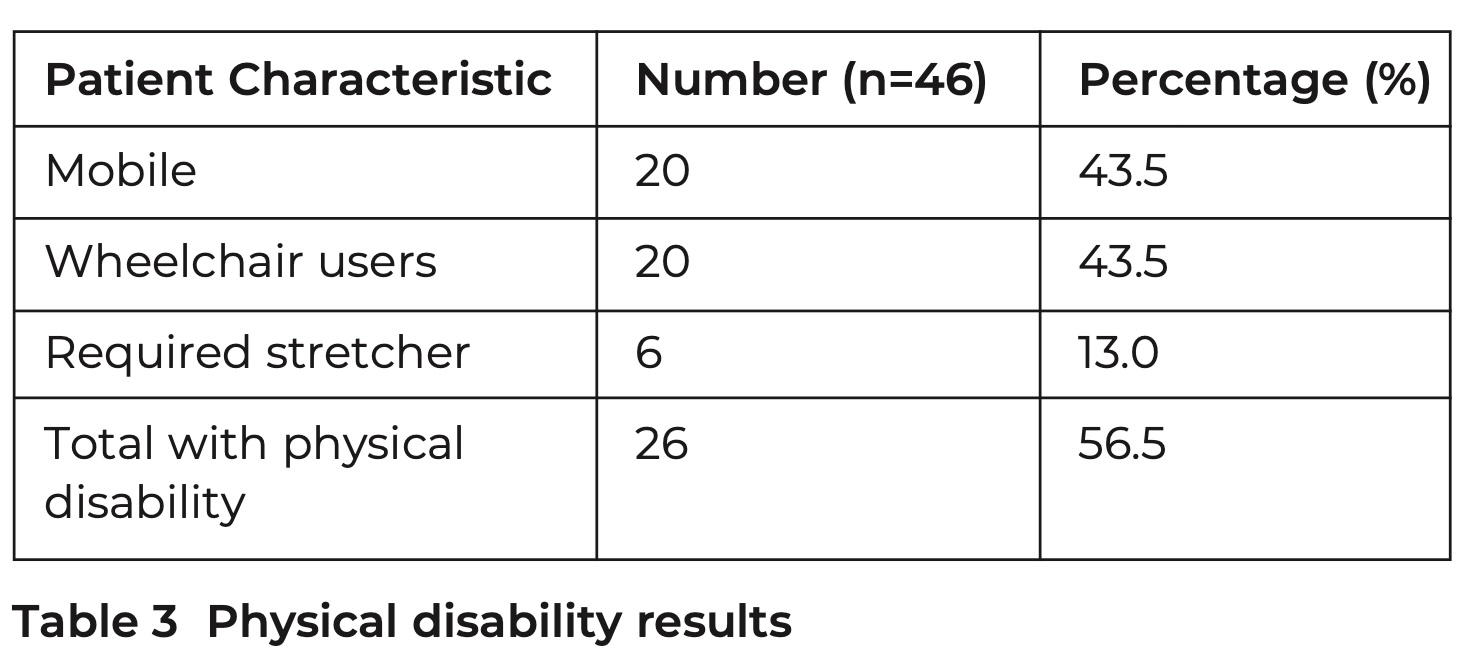
Another critical aspect highlighted by the data is the presence of physical disabilities in more than 50% of patients. Many of these patients required assistance with transfers and mobility. Remimazolam’s rapid recovery time allows these patients to receive the necessary sedation for dental treatment while minimising the need for prolonged post-operative monitoring. This is particularly important for patients who may experience anxiety or involuntary movements during procedures. The quick recovery ensures that they can return to baseline functionality and resume normal activities, such as attending to daily tasks or being safely transferred in and out of wheelchairs.
Additionally, a small fraction of patients in the study had a high BMI. The article by Lee and Park et al.,1 indicates that factors such as age, weight and gender do not significantly affect the pharmacokinetic properties of remimazolam. This is advantageous as patients with higher BMIs traditionally require careful sedation management due to body composition’s impact on drug distribution. Remimazolam’s predictable pharmacokinetics, unaffected by these factors, offer a safer and more reliable sedation option for patients with obesity or weight-related health conditions.1
The sedation data supports these findings, with 41 out of 46 cases achieving an Ellis score of 2 or lower, indicating good sedation quality with minimal disruption. Staff feedback confirmed these positive results, reinforcing remimazolam’s effectiveness in facilitating dental care for older patients with complex medical conditions.
Although 39% of patients required supplemental oxygen, there were various reasons for this. In some cases, oxygen was administered as a precaution as it was a new drug for the team, while in others it was given in response to when patients exhibited signs of minimal respiratory effort. It could be deduced the use of oxygen was primarily aimed at maintaining adequate and safe oxygen levels for patients. To support this further Jin and Xue2 state remimazolam has a minimal effect on respiration. Furthermore, the records do not indicate any significant instances of concerning desaturation among the 46 cases, suggesting that oxygen administration was primarily precautionary rather than essential in most, if not all, cases. Regarding capnography, current guidelines by the IASCD10 support its use for monitoring deeper levels of sedation, as it provides valuable insights into respiratory status. Regarding remimazolam, its properties provide a light to moderate level of sedation, suggesting that capnography is not essential during its use. However, moving forward, incorporating capnography in all cases where possible would be beneficial for more detailed monitoring and risk mitigation, especially since the necessary equipment is available.
A key observation to note from the data is that the maximum dose administered to any patient in this cohort was 20 mg of remimazolam. This is notable because the manufacturer’s clinical trials reported a maximum dose of 17.5 mg, yet they did not specify a definitive maximum dose limit.4 Based on this, it can be inferred that the 20 mg dose administered in our study is still within safe and acceptable boundaries, considering the absence of a formal upper limit. This demonstrates the adaptability and effectiveness of remimazolam in providing sedation for patients with diverse medical conditions, provided that vital signs remain stable and dosing is personalised to each patient’s needs.
However, there are some limitations associated with the use of remimazolam. The current guidance by the IASCD recommends the presence of a separate sedation operator,9 which means two staff members are required to manage the sedation process. This increases staffing demands and may complicate workflows, especially in busy, clinical environments. Additionally, the drug’s rapid onset and recovery necessitate frequent top-ups during procedures to maintain adequate sedation levels. While this rapid recovery is beneficial, it can also pose challenges in managing sedation throughout the treatment. Despite these limitations, the overall benefits of remimazolam, especially for older patients and those with multiple comorbidities, make it a valuable tool in modern dental practice.
Conclusion
In conclusion, the data collected for this project demonstrates that remimazolam has proven to be a successful choice of sedative for patients over the age of 65, allowing them to receive the necessary dental care while overcoming barriers often faced by this patient cohort. The findings suggest that remimazolam’s quick onset, fast recovery and organ-independent metabolism make it an ideal option for older patients with complex medical needs and physical disabilities. This has helped ensure that these individuals are not deprived of essential care due to sedation-related concerns. The dental team at Barts Health continues to endorse the use of remimazolam, recognising its benefits in improving patient outcomes and facilitating, as shown in studies, a safer and more effective treatment for the older patient.
Declaration of Interest
Nil.
Ethics
HRA Tool outcome: My audit is not research.
References
1. Lee J M, Park Y, Ahn D W et al. Remimazolam, a novel drug, for safe and effective endoscopic sedation. Clin Endosc. 2025; 58: 370-376. DOI: 10.5946/ce.2024.026.
2. Jin N, Xue Z. Benefits of remimazolam as an anesthetic sedative for older patients: A review. Heliyon. 2024; 10:e25399. DOI: 10.1016/j.heliyon.2024.e25399
3. Barrow H, Ashley M. Oral healthcare in the older population: An increasing challenge to the UK dental profession. Dent Update. 2025;48:119-124. DOI:10.12968/denu.2021.48.2.119
4. European Medicines Agency (EMA). Byfavo, Remimazolam. Online information available at: https://www.ema.europa.eu/en/documents/product-information/byfavo-epar-product-information_en.pdf (accessed March 2025).
5. Silvestri G, et al. Sedation with IV remimazolam provides rapid onset, recovery, and discharge readiness in bronchoscopy patients: results from a randomized clinical trial. Chest. 2021;160(4):A2033-A2034.
6. Goudra B G, Singh P M. Remimazolam: The future of its sedative potential. Saudi J Anaesth. 2014;8(3):388-391. DOI: 10.4103/1658-354X.136627.
7. Pambianco D J, Cash B D. New horizons for sedation: The ultrashort acting benzodiazepine remimazolam. Techniques in Gastrointestinal Endoscopy. 2016;18(1):22-28 DOI:10.4253/wjge.v16.i7.385
8. Stöhr T, Colin PJ, Ossig J, et al. Pharmacokinetic properties of remimazolam in subjects with hepatic or renal impairment. Br J Anaesth 2021;127:415–423 DOI:10.1016/j.bja.2021.05.027.
9. Remimazolam for intravenous conscious sedation for dental procedures. IACSD standard on clinical use and training. Available at: https://www.rcseng.ac.uk/-/media/FDS/IACSD/IACSD-remimazolam-Statement-130623.pdf (accessed March 2025).
10. The Dental Faculties of the Royal Colleges of Surgeons and the Royal College of Anaesthetists. Standards for conscious sedation in the provision of dental care (V1.1). Report of the intercollegiate Advisory Committee for Sedation in Dentistry 2020. Available at: https://www.rcseng.ac.uk/dental-faculties/fds/publications-guidelines/standards-for-conscious-sedation-in-the-provision-of-dental-care-and-accreditation/ (accessed March 2025).
11. NHS England. Improving care for older people. Available at: https://www.england.nhs.uk/ourwork/clinical-policy/older-people/improving-care-for-older-people/#:~:text=Generally%2C%20someone%20over%20the%20age,healthier%20than%20someone%20aged%2060. (accessed March 2025).
12. Sheahan CG, Mathews DM. Monitoring and delivery of sedation. Br J Anaesth. 2014113(2):37–47. DOI:10.1093/bja/aeu378.
13. Kim KM. Remimazolam: pharmacological characteristics and clinical applications in anesthesiology. Anaesthesia and Pain Medical Journal. 2022;17:1- 11 DOI: 10.17085/apm.21115.
14. Yang JJ, Lei L, Qiu D, et al. Effect of Remimazolam on Postoperative Delirium in Older Adult Patients Undergoing Orthopedic Surgery: A Prospective Randomized Controlled Clinical Trial. Drug Des Devel Ther. 2023;17:143-153. DOI:10.2147/DDDT.S392569,
15. Kim SH, Cho JY, Kim M, Chung JM, Yang J, Seong C, Kim EG, Seok JW, Shin YM, Lee KM, Choe KH, Han JH, Yang B. Safety and efficacy of remimazolam compared with midazolam during bronchoscopy: a single-center, randomized controlled study. Sci Rep. 2023;13(1):20498. DOI: 10.1038/s41598-023-47271-w.
16. Van-Anh D, Frank S, Thomas S. Efficacy of remimazolam versus midazolam for procedural sedation: post hoc integrated analyses of three phase 3 clinical trials. Endosc Int Open. 2022;10:E378–85.
17. Elmati PR, Nagaradona T, Jagirdhar GSK, Surani S. Remimazolam in intensive care unit: Potential applications and considerations. World J Crit Care Med. 2024;13(3):96877. doi: 10.5492/wjccm.v13.i3.96877.
18. Ellis S. Response to intravenous midazolam sedation in general dental practice. Br Dent J. 1996; 180: 417–20. DOI:10.1038/sj.bdj.4809108.